Stop teaching employees and fix their work
Why newcomers keep coming to their manager for answers, and how a project's work history plus an AI agent over MCP help them figure things out on their own.
Articles on teamwork, agreements with customers, and how we build Branzy.
Why newcomers keep coming to their manager for answers, and how a project's work history plus an AI agent over MCP help them figure things out on their own.
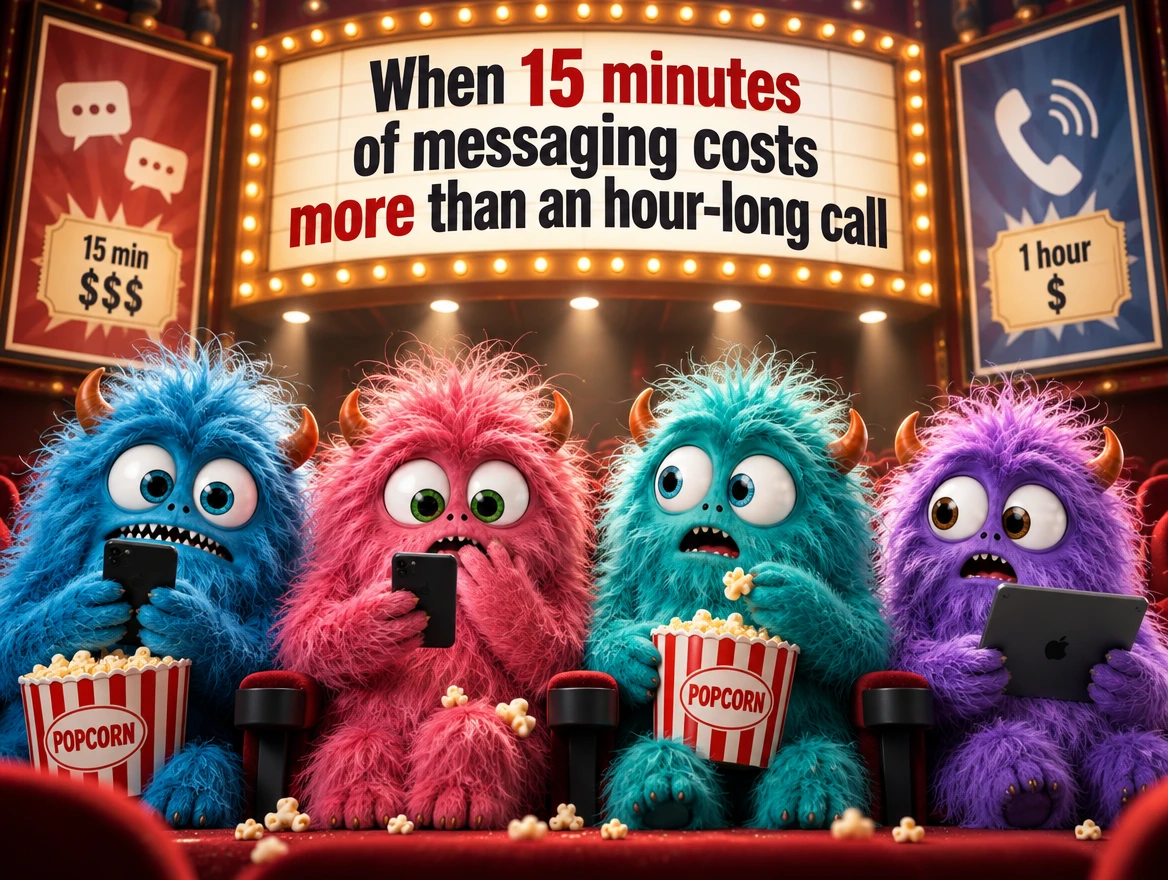
Messaging feels cheap, but it has a threshold after which one short call saves hours. How to notice that threshold.
Recurring meetings aren't always useful: which rituals earn their place, which to cancel, and how to replace them with an async format.
Group brainstorming suffers from anchoring, status pressure, and speaking queues. What works better: think alone first.
We price a regular meeting over a year and look at when that money pays off and when it is simply wasted.
In a big meeting a few people are active and the rest attend just in case. How to invite only who is needed without losing everyone else.
Minutes record a conversation; value comes from change. How to check that a meeting moved something without drowning in paperwork.
How commands like /task and /meeting save your team's time, and which actions to move into chat first.
A five-point checklist: goal, decision, owners, deadlines, and capture. Without them the hour is wasted.
Email was built for letters, not team work. Where it breaks and what to keep in it versus move into a workspace.
Signs of a cluttered work chat, why it happens, and how to restore order: channel structure, task chats, and ground rules.